Introduction of New Tax Instalment Payment Schedule Effective YA 2028
Key Takeaway
From YA 2028,
instalments start in the
first month, with revisions
allowing payments to
align with updated tax
estimates.
Under the existing rules, companies generally commence payment
of their estimated tax from the second month of the basis period.
Following the amendment, instalment payments will commence
from the first month of the basis period.
Effective Date
The amendment will apply from Year of Assessment (“YA”) 2028
onwards. A transitional provision applies to YA 2027, under which
companies will continue to commence their instalment payments
from the second month of the basis period.
| Year of Assessment | Commencement of instalment payments |
|---|---|
| YA 2027 | Second month |
| YA 2028 onwards | First month |
The change effectively brings forward the first tax instalment by one
month and should therefore be considered in the company’s
cash-flow planning.
Example:
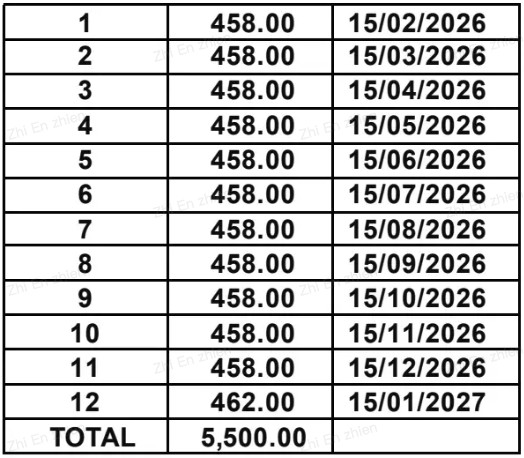
Current Treatment
YA2028 and Subsequent years of assessment
The first instalment payment for the tax
estimate shall be made in the second month
of the taxpayer’s basis period and shall end
in the first month of the basis period for
the following year of assessment.
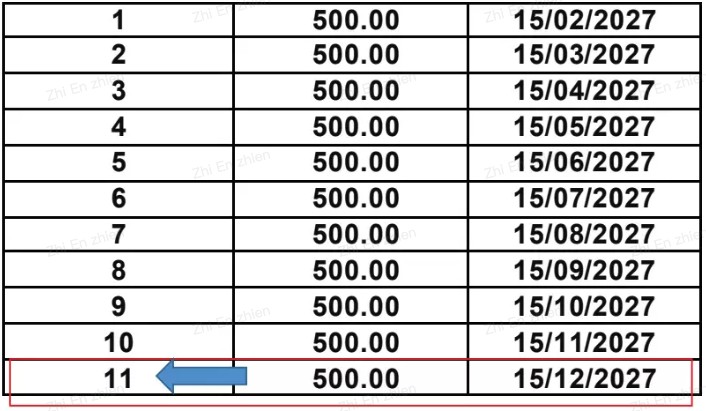
1st instalment will be amended as the 1st month of the basis
period and the last instalment ends in the same YA.
Transitional period applicable for YA 2027 where the 1st
instalment shall commence in the 2nd month and ended
within the number of months in the basis period for YA 2027
(less one month).
Key considerations for businesses
The earlier commencement of instalment payments from YA 2028 onwards may have a direct impact on
companies’ tax cash-flow requirements.
Companies should consider:
Companies should consider:
- updating their tax payment calendars for YA 2028 onwards;
- incorporating the first-month instalment into cash-flow forecasts;
- monitoring projected taxable profits throughout the basis period; and
- reviewing whether a CP204A revision is appropriate where the original tax estimate is no longer representative.